Forget the smoky backroom cliché. The modern home poker game is something else entirely. It’s a curated event, a blend of thoughtful hospitality, subtle tech, and genuine connection. It’s less about high-stakes gambling and more about creating a memorable night for your friends.
Honestly, anyone can deal cards on a kitchen table. But crafting an unforgettable home poker experience? That’s an art. Let’s dive into the three pillars that separate a good game from a legendary one: the ambiance you set, the technology that smooths the edges, and, most importantly, the guest experience you design.
Setting the Stage: It’s All About Ambiance
Ambiance is the invisible dealer at your table. It sets the mood before a single chip is stacked. Think of it as the difference between a fast-food joint and a great restaurant—the food might be similar, but the feeling is worlds apart.
Lighting & Sound: The Sensory Foundation
Harsh overhead lights are the enemy. They feel clinical. Instead, layer your lighting. Use a poker table with built-in LED cup holders for a cool, functional glow. Add a dimmable lamp in the corner. Maybe even some smart bulbs you can tweak to a warm, inviting hue.
Sound is just as crucial. A well-curated playlist is non-negotiable. You know, something with a steady rhythm but no distracting lyrics—think lo-fi, classic jazz, or blues. Keep the volume low; it should be a backdrop for conversation, not a competitor. And for heaven’s sake, mute the TV.
The Table & Seating: Where Comfort Meets Function
This is your arena. A proper home poker table setup doesn’t have to be a $2000 custom job, but it should signal “this is for poker.” A decent speed-felt top over a dining table works wonders. Ensure every player has ample armroom, a clear view of the pot, and a comfortable chair. A sore back is a quick way to kill a game early.
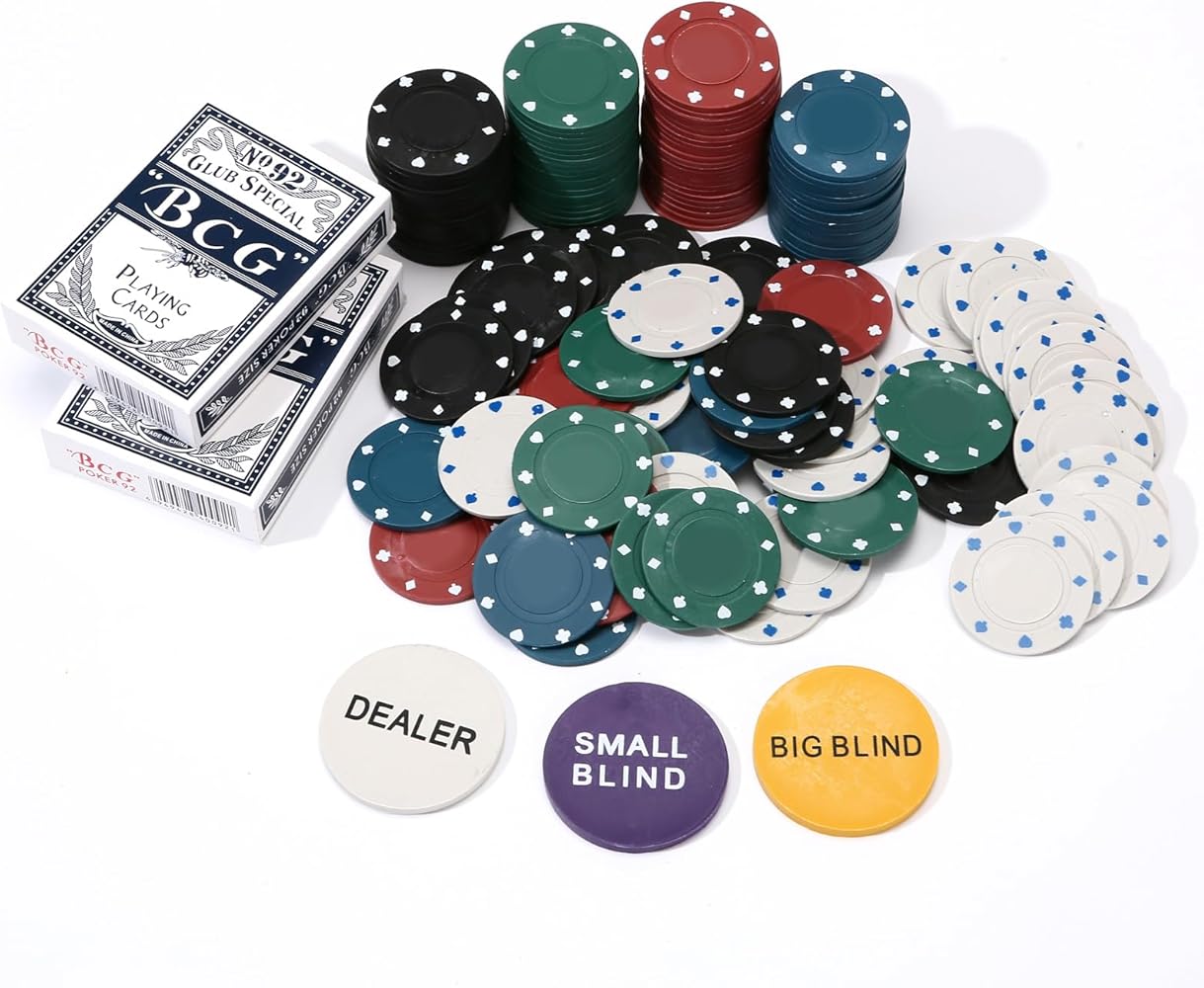
Little details matter. Clean, weighty chips. Two decks of quality plastic cards (so one can be shuffled while the other is in play). A dedicated dealer button, blinds buttons. These things subtly communicate that you care about the game’s integrity.
Tech That Doesn’t Steal the Show (But Saves It)
Technology should be a silent partner, not the star. Its job is to remove friction, not add complexity. Here’s where a few smart choices make everything run smoother.
First, the poker game management app. Apps like Poker Manager or Blind Valet are game-changers. They handle the blind timer, track the chip leaderboard, and can even randomize seats. No more bickering about “whose turn is it for the big blind?” or fumbling with a phone timer. It just runs in the background on a tablet, letting everyone focus on the game.
Second, payment tech. Chasing down cash after the game is awkward. Using a peer-to-peer payment app (Venmo, Cash App) to settle up at the end is clean and quick. Establish this upfront. Say something like, “We’ll settle via Venmo at the end to keep it simple.” It removes all the awkwardness.
And third, the practical stuff. A portable phone charger on the side table. A smart speaker for that playlist we talked about. Maybe even a small tablet displaying the tournament structure. The goal is seamless, invisible support.
The Heart of the Game: Crafting the Guest Experience
You can have the perfect table and the slickest app, but if your guests aren’t having a great time, you’ve failed. This is about hospitality, plain and simple.
Pre-Game & Sustenance: The Host’s Playbook
Clear communication is key. Send details well ahead: start time, buy-in, format (tournament vs. cash game), and even the general end time. This manages expectations.
Now, food and drink. Don’t make it a chore for yourself. Opt for shareable, non-greasy food—a charcuterie board, sliders, pizza cut into small slices. You want food that can be eaten with one hand. For drinks, have a well-stocked cooler with a mix of options. And always, always have plenty of water available. A hydrated player is a happy player.
Managing the Flow & Vibe
As host, your primary role is to be the conductor. Keep the game moving. Gently nudge the action if it stalls. Be the arbiter of any minor rule disputes—be fair, be quick, and move on. Your attitude sets the tone. If you’re stressed, the table will be tense. If you’re laughing and enjoying yourself, it’s contagious.
Pay attention to the group dynamic. Is someone on a brutal losing streak? Maybe crack a joke, offer a fresh drink. The goal is to keep the game fun and social, even for the person getting unlucky. After all, you want them to come back next time.
In fact, that’s the ultimate metric of success, isn’t it? A successful home poker night ends with everyone—winner and loser alike—already asking when the next game will be. They’re reminiscing about a crazy bluff, not complaining about a wobbly chair or confusing blinds.
So, sure, invest in decent chips. Get the lighting right. Use the app. But never lose sight of the real goal: creating a space where friends can connect, compete, and share a few laughs over a game that’s stood the test of time. That’s the final, winning hand.