Remember the first time you saw a casino in a movie? The clatter of chips, the spin of the roulette wheel, the electric buzz in the air—it felt like a world apart. For decades, online casinos tried to capture that magic on a flat screen. They got close, sure. But something was missing. That visceral, immersive you-are-there feeling.
Well, that’s all changing. And fast. The journey from pixelated card tables to fully immersive virtual worlds is one of the most fascinating stories in tech and gaming. Let’s dive into the evolution of VR and AR casinos and peek at what the future might hold. Honestly, it’s wilder than a royal flush on a bonus round.
The Humble Beginnings: A Pixelated Dream
It started, as most digital things do, with simple graphics and big ideas. Early online casinos were basically digital brochures with clickable games. The goal was convenience, not immersion. You’d play a slot machine that looked more like a spreadsheet than a one-armed bandit.
The real first step toward immersion was live dealer games. Suddenly, you had a real human streaming from a studio, dealing real cards. It bridged a gap. It added a social, tangible layer that RNG games lacked. This was the proof of concept—the industry saw that players craved a more authentic, real-time casino experience. It set the stage for something bigger.
VR Casinos: Stepping Into the Virtual Lobby
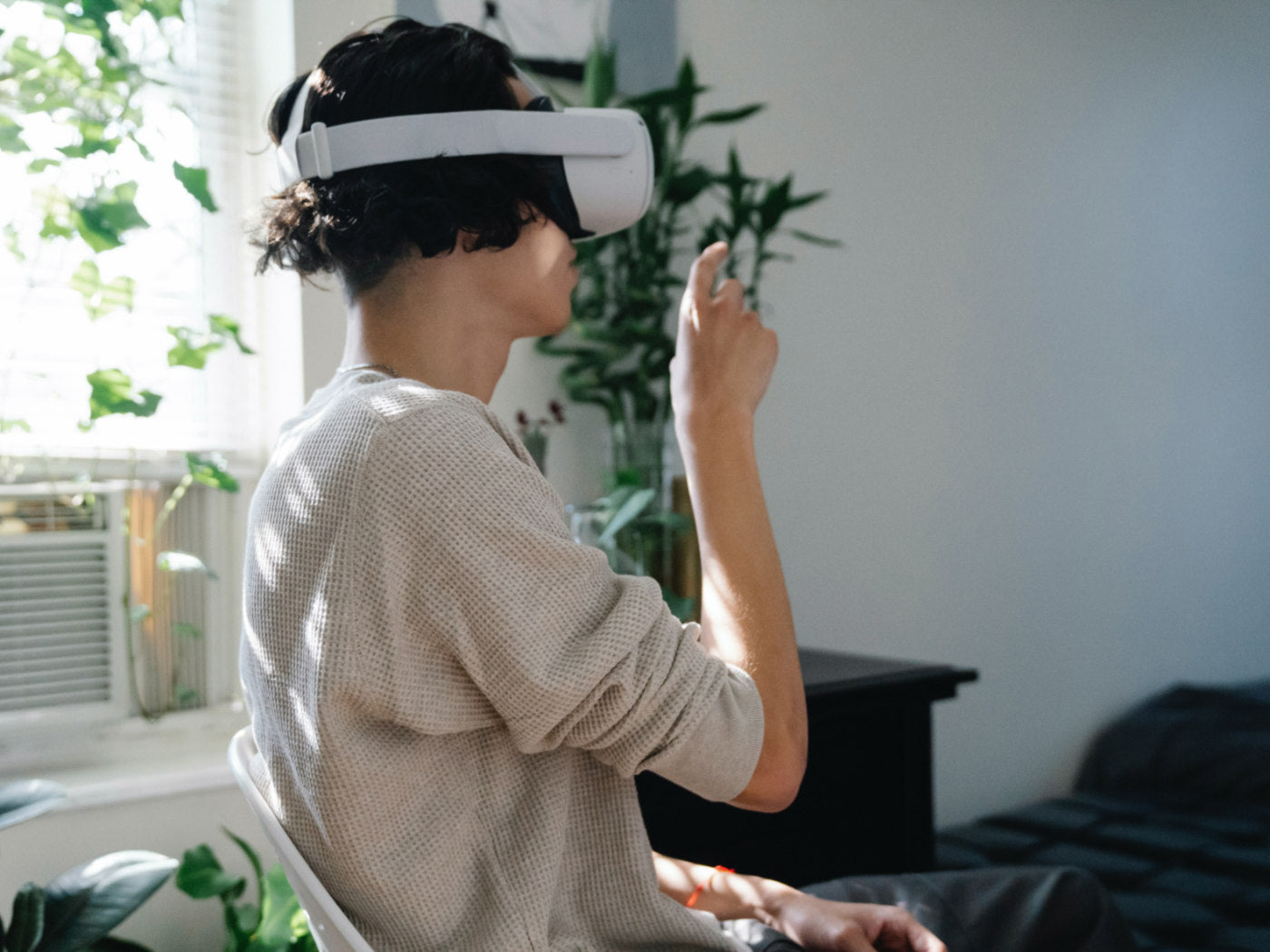
Then came VR. And I mean proper VR, with headsets that transport you. Early VR casino demos felt like a revelation. You could put on a headset and… be in a lobby. Walk up to a blackjack table. Nod to the avatar next to you. Pick up your virtual chips with a motion controller. The sense of presence was—and is—unlike anything else.
But here’s the deal: the evolution hit some speed bumps. Widespread adoption required hardware that was affordable, comfortable, and high-quality. Not everyone has a VR rig. Then there was the social aspect—early VR spaces could feel a bit… empty. Or worse, awkward, with clunky avatar interactions.
The Current State of Play: What VR Casinos Do Well
Today, dedicated VR casino platforms have polished the experience. They’ve focused on a few key areas that truly shine:
- Immersion is King: The sound design, the detailed environments (from a glitzy Macau-style room to a chill beach cabana), the physics of rolling dice. It’s meticulously crafted.
- Social Interaction 2.0: Voice chat with other players, reading body language through avatars, even sharing a virtual drink. It mimics the chatter of a real casino floor.
- Game Innovation: It’s not just porting old games. Think slot machines you physically pull the lever on, or poker where your tells might actually be, you know, your tells.
AR Casinos: Blurring the Lines of Reality
If VR is about escape, AR is about enhancement. Augmented Reality overlays digital magic onto your real world. This evolution branch is… subtler, but perhaps more revolutionary in the long run.
Imagine pointing your phone or wearing AR glasses at your coffee table. A pristine poker game materializes there. Your real hands hold real-looking cards. A friend, miles away, appears as a hologram across the table, their chips stacked next to your coffee mug. That’s the AR casino promise. It doesn’t require a fully enclosed headset—it blends the game with your living room.
The potential for at-home social gambling and context-aware gaming is massive. But the tech—especially lightweight, powerful AR glasses—is still evolving for consumers. We’re in the early, app-based stages, waiting for the hardware to catch up to the idea.
The Converging Future: Where Are We Headed?
So, what’s next? The evolution isn’t slowing down. The future of VR and AR casinos lies in convergence and solving real user pain points. Here’s what seems to be on the horizon.
The Hybrid Experience (VR/AR/IRL)
Why choose? Future platforms might let you switch modes. Start a poker game in VR for deep immersion. Pause, switch to AR mode on your glasses to see the table in your space while you make a snack. Or have a flat-screen “2D mode” for quick checks. This flexibility addresses the “I don’t want to be plugged in all the time” problem.
Hyper-Personalization and The Metaverse
Your virtual casino won’t just be a generic skyscraper. AI could design a environment based on your preferences—a cozy library, a roaring 20s speakeasy, a space station. And these won’t be isolated destinations. They’ll be part of larger digital worlds—think metaverse adjacent—where you can walk from a concert to a casino to an art gallery.
Overcoming the Final Hurdles
For this future to become mainstream, a few things need to evolve in tandem:
| Challenge | The Evolutionary Step Needed |
| Hardware Access & Comfort | Lighter, cheaper, all-in-one headsets and stylish AR glasses. No wires, no bulky PCs. |
| The Social Fabric | Better avatar tech (think realistic expressions), tools to build real community, not just random matchups. |
| Regulation & Safety | New frameworks for verifying identity in VR, ensuring fair play in immersive environments, and responsible gambling tools baked into the experience. |
It’s a lot. But the trajectory is clear. We’re moving from looking at a game to being in it, and finally, to bringing the game seamlessly into our lives.
A Final Thought: The Human Element Endures
Through all this tech evolution—from pixels to portals—the core appeal hasn’t changed. It’s about thrill, challenge, and a bit of social sparkle. VR and AR are just becoming better vessels for that ancient human desire to play, to connect, to take a calculated risk.
The future casino might not have physical walls. It might exist in the air around your kitchen table or in a collective digital daydream. But the heartbeat of the place—the gasp at a close win, the groan at a near miss, the quiet focus across the felt—that will remain, beautifully, stubbornly human.