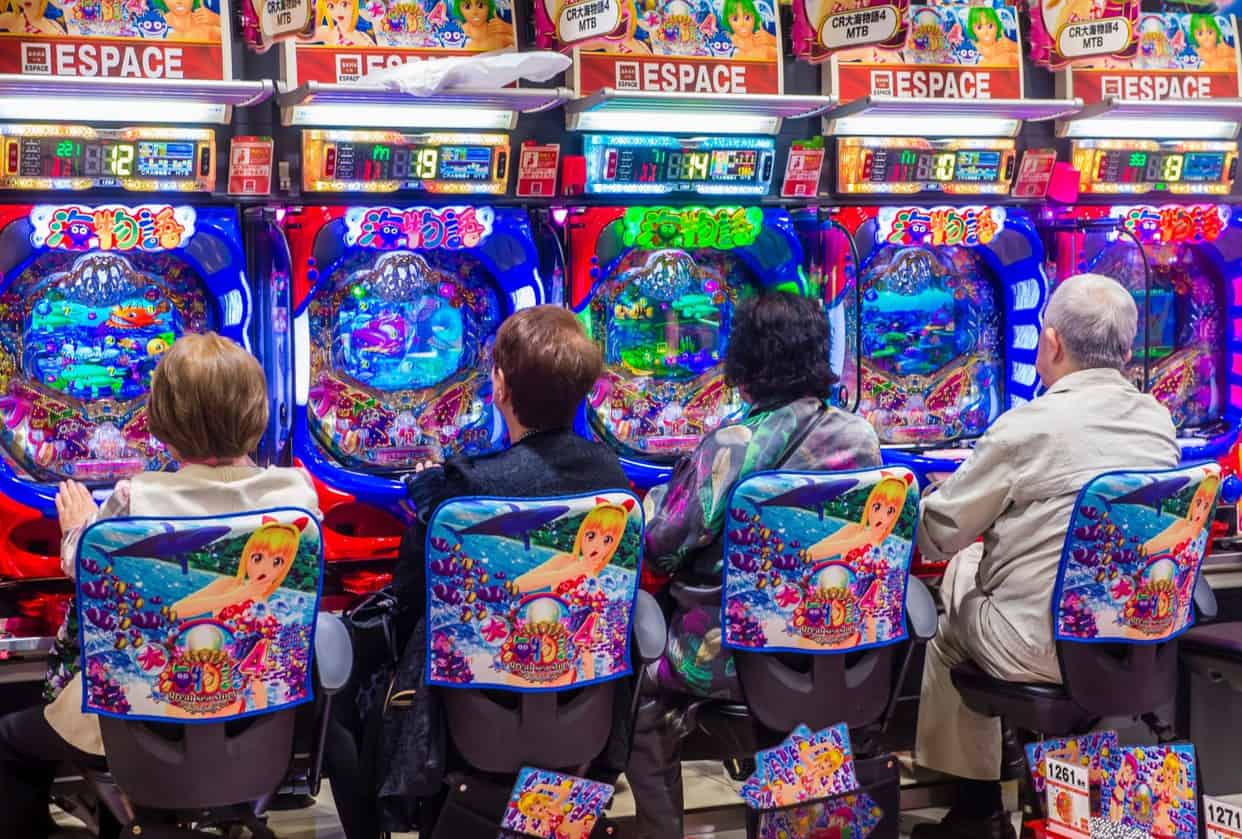
For decades, the heartbeat of a casino was a symphony of clinking coins and the rhythmic, mechanical whirl of spinning reels. It was a tactile, noisy, physical experience. Today, that heartbeat has changed. Walk onto most gaming floors now and you’ll hear a different soundtrack—the gentle digital chirps and melodies from sleek video terminals.
The shift from physical, mechanical slot reels to fully digital, server-based ones is more than just a design update. It’s a fundamental transformation with ripple effects that touch our planet and push the boundaries of technology. Let’s dive into what this quiet revolution really means.
The Green Felt Gets a Little Greener: Environmental Upsides
Honestly, when you think of casinos, “eco-friendly” isn’t usually the first phrase that springs to mind. But the move to digital slots has some surprisingly positive environmental angles. Here’s the deal.
Goodbye to Mountains of Metal and Plastic
A single classic slot machine was a beast. Hundreds of pounds of steel, copper wiring, plastic reels, metal brackets, and glass. Now, multiply that by thousands of machines across a property, and then across the globe. The manufacturing footprint was enormous.
Digital terminals, while still electronics, are fundamentally simpler in construction. They’re more like specialized monitors with a computer inside. This reduction in raw materials—especially heavy metals and plastics—from the initial build phase is a significant, if often overlooked, win.
The Power Drain Dilemma (It’s Complicated)
This one’s a bit of a mixed bag. On one hand, a modern digital slot machine is a computer, and computers need power. The high-definition screens, processors, and sound systems draw electricity constantly.
But—and it’s a big but—compare that to an old-school electromechanical monster. Those things had power-hungry motors to physically spin heavy reels, complex relay systems, and incandescent lighting. Pound for pound, the energy consumption of digital slots is generally lower. Plus, digital units can enter low-power sleep modes instantly, something a mechanical machine could never do.
The real environmental impact of digital slots, however, might be less about their daily use and more about their evolution and disposal.
The Tech Engine Under the Hood: More Than Just Pretty Pixels
The technology behind this shift isn’t just about replacing a motor with a video file. It’s a complete reimagining of the gaming architecture itself. This is where things get fascinating.
From Gears to Algorithms: The RNG Revolution
In a physical machine, randomness was a physical act—the precise moment you pulled the lever, the wear on the gears, the tension of the springs. It was analog randomness. Digital slots rely on complex Random Number Generator (RNG) software. This is the true brain of the machine, generating thousands of number combinations per second to determine an outcome the moment you press “spin.”
The tech leap here is immense. It allows for provably fair gaming (the algorithms can be tested and certified by regulators) and enables features that were physically impossible, like thousands of ways to win on a single “spin.”
Networked Play and the Data Deluge
This is the big one. Digital slots are rarely islands anymore. They’re nodes on a vast network. This connectivity enables:
- Server-Based Gaming: The game’s software lives on a central server, not inside the cabinet. A floor manager can change an entire bank of games from, say, classic fruit slots to a branded movie-themed game in minutes, without touching a machine.
- Sophisticated Bonuses and Progressives: Massive, linked progressive jackpots that pool cents from thousands of players across the country are a pure product of digital networking.
- Player Data Analytics: Every play is data. Operators can now understand player preferences in real-time, tailoring offers and even game suggestions. It’s a level of personalization that the one-armed bandit could never dream of.
The Flip Side: E-Waste and Energy Shadows
It’s not all win-win, of course. The technological impact creates its own set of environmental challenges. The most glaring? E-waste.
The upgrade cycle for digital tech is brutal. As software advances and player expectations grow for 4K graphics and immersive sound, hardware becomes obsolete faster. Disposing of thousands of terminals, touchscreens, and servers responsibly is a monumental task. The industry is grappling with this, but the sustainable disposal of casino electronic waste remains a critical, often under-discussed issue.
Then there’s the “energy shadow” of the backend. All that data processing, server cooling, and network infrastructure—the invisible cloud that makes the magic happen—consumes vast amounts of energy, often from non-renewable sources. The carbon footprint of a digital spin isn’t zero; it’s just been moved from the casino floor to the data center.
Where Do We Spin From Here? The Future’s Blurry Edge
So, what’s next? The trajectory points towards even deeper integration. Think augmented reality (AR) slots where characters leap onto your seat, or skill-based bonus rounds that feel like mini video games. The line between a slot machine and a gaming console is blurring.
Environmentally, the push will likely be towards greater efficiency—more energy-efficient displays, better server tech, and hopefully, stronger industry-wide recycling protocols. The potential for using cloud-based gaming platforms to reduce on-site hardware even further is a tantalizing possibility.
The quiet hum of the digital floor is the sound of an industry in metamorphosis. We’ve traded the visceral clunk of mechanics for the silent, lightning-fast calculation of silicon. We’ve swapped a tangible, isolated machine for an intangible, connected node in a vast digital web.
That trade-off—physical for digital—is the story of our age, playing out under the neon lights. The environmental gains are real, if imperfect. The technological leaps are astounding, yet they come with their own hidden costs. The next time you see those digital reels cascade, remember: you’re not just watching a game. You’re witnessing a tiny piece of a much larger, ongoing evolution in how we play, and what that play costs our world.