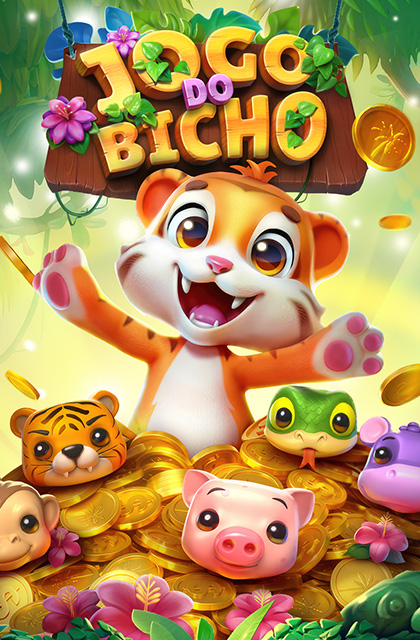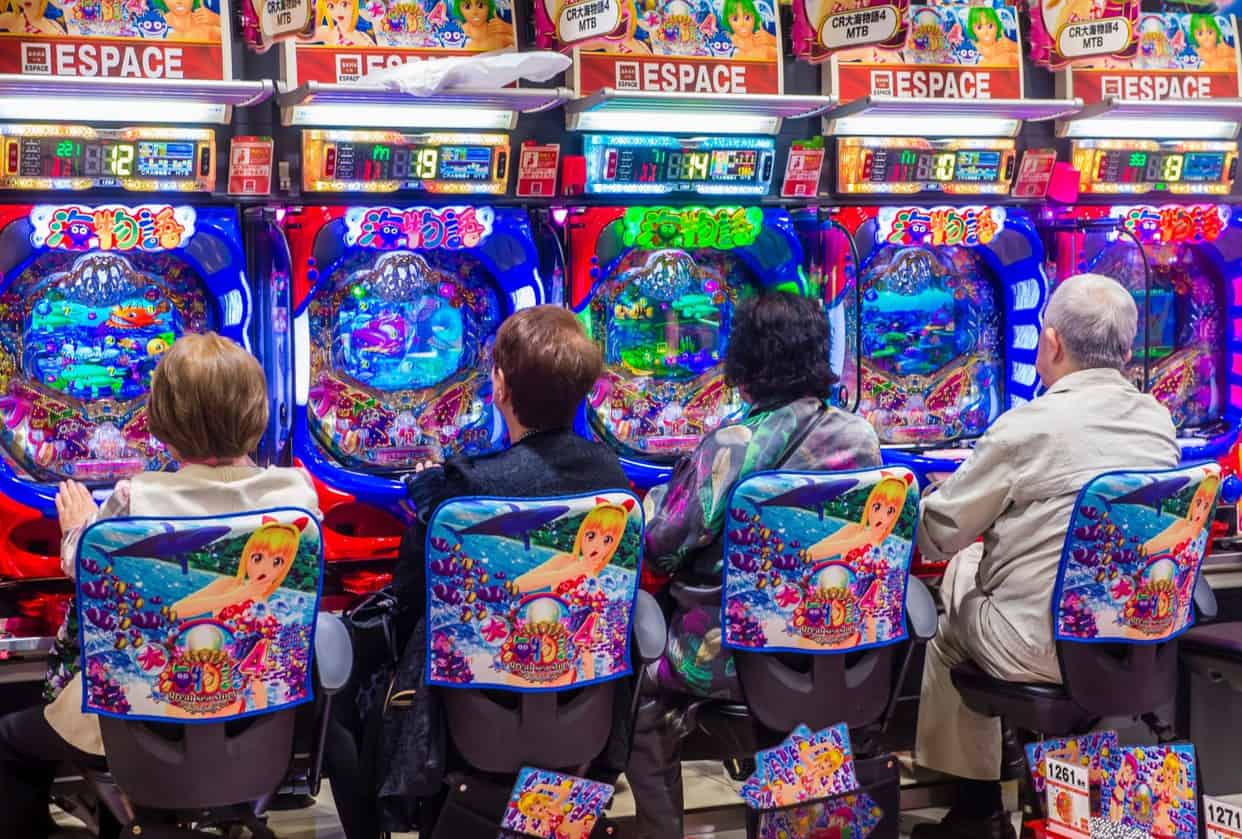
Think about your favorite movie. Now, imagine watching it in a country where all the jokes fall flat, the cultural references are a complete mystery, and the hero is seen as, well, kind of rude. That film would bomb, right? The exact same principle applies to slot games. A smash hit in Europe can be a total dud in Asia if it’s not properly adapted. That’s where slot game localization comes in—and it’s about so much more than just translating text.
Localization is the art of cultural translation. It’s the process of tailoring a game’s entire feel—its theme, its symbols, even its sound effects—to resonate with players in a specific region. It’s the difference between a player feeling like a game was made just for them… or feeling utterly alienated. Let’s dive into how developers navigate this fascinating, complex world.
Why Localization Isn’t Just a “Nice-to-Have”
Here’s the deal: the global iGaming market is fiercely competitive. To stand out, you need connection. Players gravitate towards games that reflect their own stories, myths, and aesthetic preferences. A poorly localized game isn’t just ignored; it can accidentally cause offense, which is a surefire way to get banned in a market. So, successful localization is a strategic necessity, not a post-production afterthought.
The Three Pillars of Slot Game Localization
1. Theme & Narrative: Finding the Universal in the Specific
Themes are the hook. A theme based on Norse mythology might crush it in Scandinavia and Germany, but in China? Not so much. Developers often start with broadly appealing concepts—treasure, adventure, ancient civilizations—and then layer in regional flavors.
For instance, a “wealth and fortune” theme is universal. But how you portray it changes. In Western markets, you might see leprechauns and pots of gold. For Chinese players, the focus shifts to symbols like the God of Wealth (Caishen), golden cats, and specific lucky colors like red and gold. The core desire is the same; the cultural packaging is everything.
2. Symbols & Imagery: A Minefield of Meaning
This is where details make or break the experience. Every symbol carries cultural baggage.
- Numbers: The number 7 is lucky in the West. In China, 8 (sounding like “prosperity”) is the ultimate lucky number, while 4 (sounding like “death”) is scrupulously avoided in slot game design for that market.
- Animals: An owl symbolizes wisdom in Europe and North America. In parts of Asia, it can be an omen of bad luck or even death. A raccoon might be cute in the U.S., but in Japan, it’s often associated with trickster tanuki folklore—which could be fun, but needs intentional design.
- Colors: White signifies purity and weddings in the West. In many Asian cultures, it’s the color of mourning. A slot with a pristine white color scheme could send entirely the wrong message.
3. Gameplay Mechanics & “Superstition”
Believe it or not, even how a game feels to play needs adaptation. Some markets prefer high-volatility games with the chance for massive, infrequent wins. Others gravitate towards low-volatility, steady entertainment. But beyond that, there are nuanced superstitions to consider.
In many Asian cultures, for example, the concept of “flow” or “Qi” is important. Games that feel balanced and harmonious in their animation and sound design can subconsciously feel more appealing. Loud, jarring sounds or chaotic visuals might disrupt that flow. It’s a subtle thing, but players feel it.
The Localization Toolkit: More Than Words
So, how do studios actually do this? It’s a mix of deep research and creative flexibility.
- Regional R&D Teams: Top developers employ cultural consultants and regional teams. These aren’t just translators; they’re cultural gatekeepers who can flag a problematic symbol or suggest a narrative twist that will land perfectly.
- Modular Asset Design: Smart developers build games with swap-able assets. The core game engine stays the same, but symbols, character skins, and background art can be switched out for different regions efficiently. It’s like changing the set dressing on a stage for a new audience.
- Audio Localization: This is huge. Music and sound effects set the mood. A generic “oriental” flute track for an Asian-themed slot will feel stereotypical and cheap to a local player. Authentic, region-specific instrumentation is key. Even the voice of a game host or narrator might change to a local celebrity or a dialect that feels more familiar.
Real-World Wins and Pitfalls
Let’s look at a quick comparison. Some themes, honestly, have near-universal appeal:
| Theme | Global Appeal & Why | Localization Twist Example |
| Ancient Egypt | Mystery, universal recognition of pyramids/pharaohs. | Emphasis might shift from generic “treasure” to specific gods (Anubis, Ra) based on regional familiarity. |
| Ocean/Sea Life | Neutral, visually stunning, no major cultural landmines. | Featuring region-specific mythical sea creatures (e.g., dragons in Asia, krakens in Scandinavia). |
| Fruit Symbols | The classic “pub fruit machine” heritage is globally understood. | Including local fruits (like lychee or persimmon in Asian markets) alongside classics. |
Pitfalls, though, are everywhere. A slot based on a popular Western TV show might require expensive, separate licensing for each territory. A game with a “wild west” theme might not connect in markets with no historical connection to that narrative. And, you know, using national flags or historical military imagery? That’s just asking for trouble in many parts of the world.
The Future is Hyper-Local
The trend is moving beyond broad regions (like “Asia”) to hyper-local markets. A game for players in Japan might differ significantly from one for Thailand, even within the same continent. We’re seeing slots based on local folklore, festivals, and even popular domestic TV formats. This deep localization builds incredible player loyalty—it shows a level of respect and effort that players reward with their time and, well, their spins.
In the end, slot game localization is a profound act of respect. It says: “Your culture matters. Your stories matter. Your sense of luck and play matters.” It’s the bridge between a piece of software and a human experience. And in a crowded digital world, that human connection—that feeling of a game made just for you—is the ultimate jackpot.