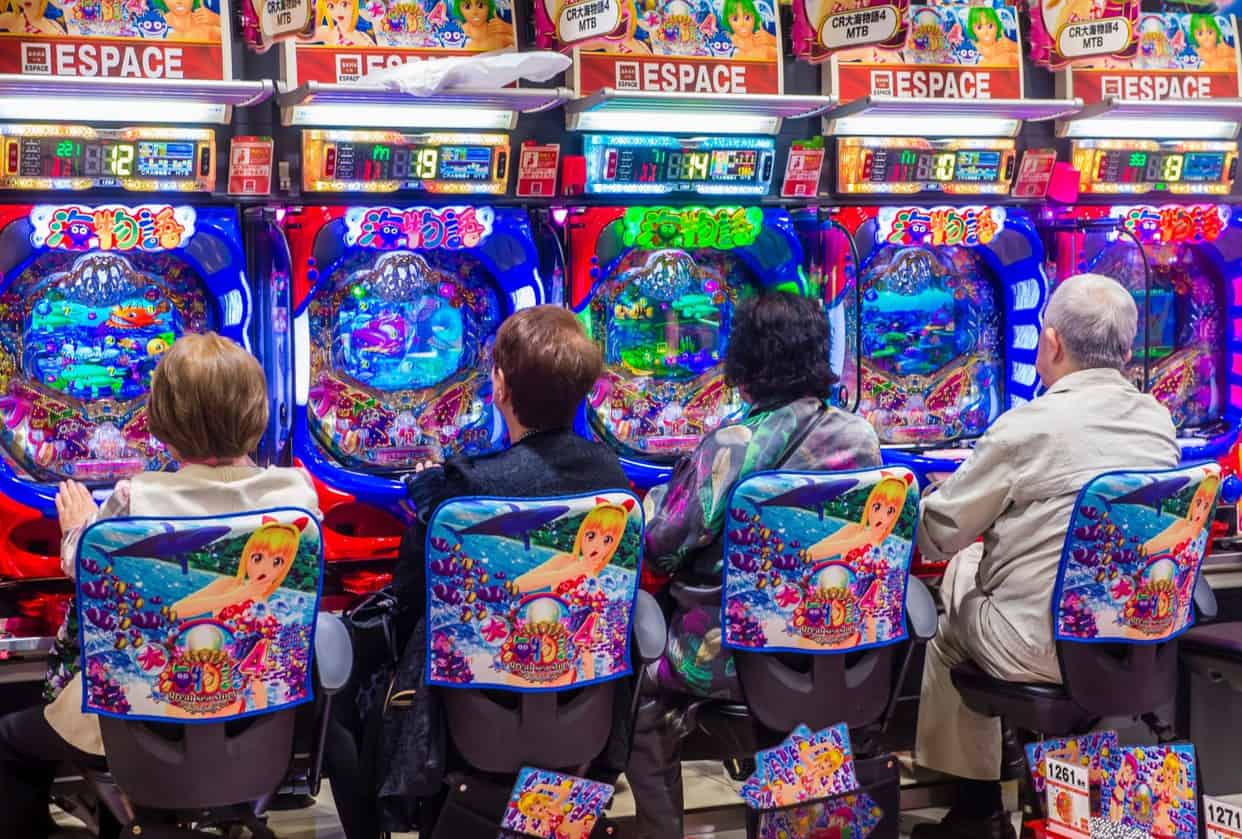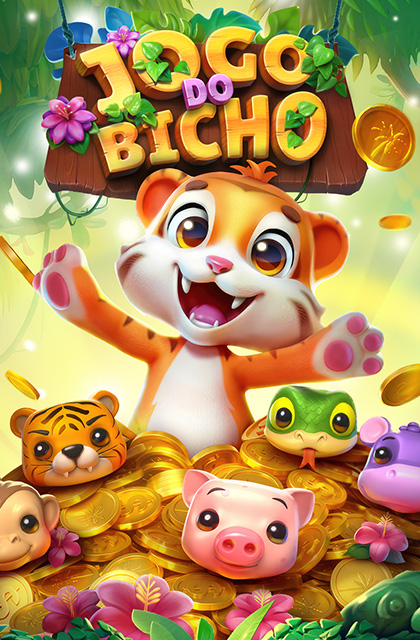
And the trend? Well, it’s leaning towards niche themes and deeper engagement. While big studios churn out another licensed movie slot, you can build a game around underground synthwave, gardening, or historical oddities. That unique flavor is your superpower. You’re not a factory; you’re a boutique.
The Core Pillars of Your Slot Game Project
Every slot, from the simplest classic to a feature-packed video slot, rests on a few non-negotiable pillars. Think of them as your recipe’s main ingredients.
- Maths & Mechanics (The RNG Core): This is the engine. The Random Number Generator (RNG) dictates every outcome, ensuring fairness. You’ll need to design the game’s volatility (how often and how big it pays), the Return to Player (RTP) percentage, and the hit frequency. A high-volatility slot is like a suspense thriller—fewer wins but bigger payouts. Low-volatility is a steady drip of smaller wins.
- Art & Audio (The Soul): This is where you connect. Your visual theme needs to be cohesive and engaging from the first glance. Sound design isn’t just background noise; it’s feedback. The clink of coins, the swell of music on a bonus trigger—it’s all part of the magic. Don’t underestimate it.
- Features & Bonuses (The Hook): This is your gameplay. Free spins, pick-me bonuses, expanding wilds, cascading reels… the list goes on. The trick is to integrate them seamlessly into your theme. A slot about deep-sea exploration shouldn’t have a “pick a chest” bonus that feels like it’s from a medieval game. Make it a “sonar scan” or something, you know?
The Indie Development Workflow: From Spark to Spin
Alright, let’s dive into the nitty-gritty. How do you actually build this thing?
1. Concept & Design (The Blueprint Phase)
Start with a strong, marketable concept. Do some keyword research—what are players searching for? Sketch everything. The symbols, the background, the UI. Create a game design document (GDD). This living document outlines your math model, features, and every visual and audio asset needed. It’s your bible. Without it, scope creep will eat your budget alive.
2. Tech Stack & Tools (Your Digital Workshop)
You don’t need a million-dollar lab. Most indie slot development happens with:
- Game Engines: Unity is the industry heavyweight for a reason—incredibly powerful and well-supported. Godot is a fantastic, open-source alternative that’s gaining serious traction, especially for 2D-focused projects.
- Art & Audio: Tools like Adobe Suite, Affinity Designer, and Aseprite for pixel art. For sound, FMOD or even Audacity can get you started.
- Testing & Compliance: This is critical. Your game must be tested by accredited third-party labs (like iTech Labs, GLI) to certify the RNG and RTP before any casino will touch it. Factor this cost in early.
3. Production & The Agile Grind
Build in sprints. Get a basic reel strip spinning with placeholder art ASAP. Then layer in the features. Constantly test. Play your own game a thousand times. Does it feel good? Is the pacing right? This iterative, agile approach is perfect for small teams.
Here’s a rough breakdown of where your time might go—it’s rarely symmetrical:
| Phase | Indie Focus Area | Common Pitfall |
| Concept & Math | Niche theme, balanced volatility | Overcomplicating the math model early on |
| Art & Sound | Cohesive, stylized visuals; mood-setting audio | Asset creep—creating too many unique symbols |
| Feature Development | One or two deeply integrated bonus features | Adding “just one more” mini-game, blowing the timeline |
| Testing & Compliance | Rigorous internal testing before 3rd-party audit | Under-budgeting for certification costs |
Monetization and Getting Your Game Out There
You’ve built a beautiful, certified slot. Now what? You need players. For indies, direct-to-operator sales can be a steep climb. The practical path is often through game aggregators.
These are basically distributors who bundle games from studios like yours and sell them as a package to online casinos. They take a cut, sure, but they handle the integration, the commercial deals, and the massive legwork you simply can’t do alone. Companies like Relax Gaming, Yggdrasil’s YGS Masters program, or even smaller aggregators are actively looking for fresh content.
Your revenue model is typically Revenue Share. You earn a small percentage of the net win (total bets minus total payouts) generated by your game. It’s a long-tail model—a hit game can provide income for years.
The Real Challenges (And How to Sidestep Them)
It’s not all wilds and scatters. The path is littered with challenges unique to small studio slot development.
- Regulatory Maze: Each market (UK, Malta, Sweden, etc.) has its own regulator. Your game might need tweaks for each. Start by targeting one jurisdiction. Going for a UKGC license first, for instance, sets a high bar that others respect.
- Funding the Dream: Certification isn’t cheap. Art takes time. Consider hybrid models: use part of your budget for a stunning “proof-of-concept” to pitch to an aggregator who might fund completion.
- Standing Out: With hundreds of games launching monthly, your marketing starts with the game itself. Is your title catchy? Does the game icon scream “click me”? Is the first spin experience unforgettable? That’s your marketing.
Final Spin: It’s About Craft, Not Just Code
Developing a slot game as an indie is a wild blend of art, science, and sheer hustle. It’s a marathon of tiny decisions—from the color of a gem symbol to the exact millisecond delay before a reel stops. But that’s the joy of it. You’re not just configuring a math model; you’re engineering moments of surprise and delight.
The landscape is shifting. Players, and even operators, are hungry for something that doesn’t feel like it was made by a committee in a skyscraper. They want personality. They want the slightly off-kilter theme, the lovingly animated character, the bonus round that makes them smile. That’s your canvas. So start sketching. The reels are waiting.