The felt is a battlefield of focus. You know the feeling—the grind of a long session, the sting of a bad beat, the pressure of a final table bubble. Your mind, your most valuable asset, starts to feel like a cluttered desk. For poker professionals, mental recovery isn’t a luxury; it’s bankroll management.
But here’s the deal: traditional “mental game” advice often feels like… more competition. More drills, more pressure, more “optimization.” What if the real edge came from stepping off the battlefield? From techniques that aren’t about winning, but about resetting? Let’s dive into the quiet power of mindfulness, breathwork, and other non-competitive recovery tools.
Why Your Brain Needs a Break from the Fight
Poker forces your brain into constant high-stakes calculation and emotional regulation. That’s a heavy load. The amygdala (your threat detector) and prefrontal cortex (your logical planner) are in a constant tug-of-war. Without deliberate recovery, you end up with decision fatigue, tilt spirals, and burnout. Honestly, you wouldn’t run a marathon without resting your legs. Why treat your mind any different?
Non-competitive techniques work because they lower the stakes for your own psyche. There’s no “good” or “bad” session of mindfulness. No score to beat in breathwork. This lack of judgment is, ironically, what makes them so powerfully restorative for a competitor’s mind.
The Anchor: Foundational Mindfulness Practice
Think of mindfulness as simply noticing what’s happening, right now, without getting swept away by it. It’s observing the thought “I’m running bad” as just a thought—a cloud passing by—rather than a truth you have to fight against.
A Simple On-the-Felt Exercise
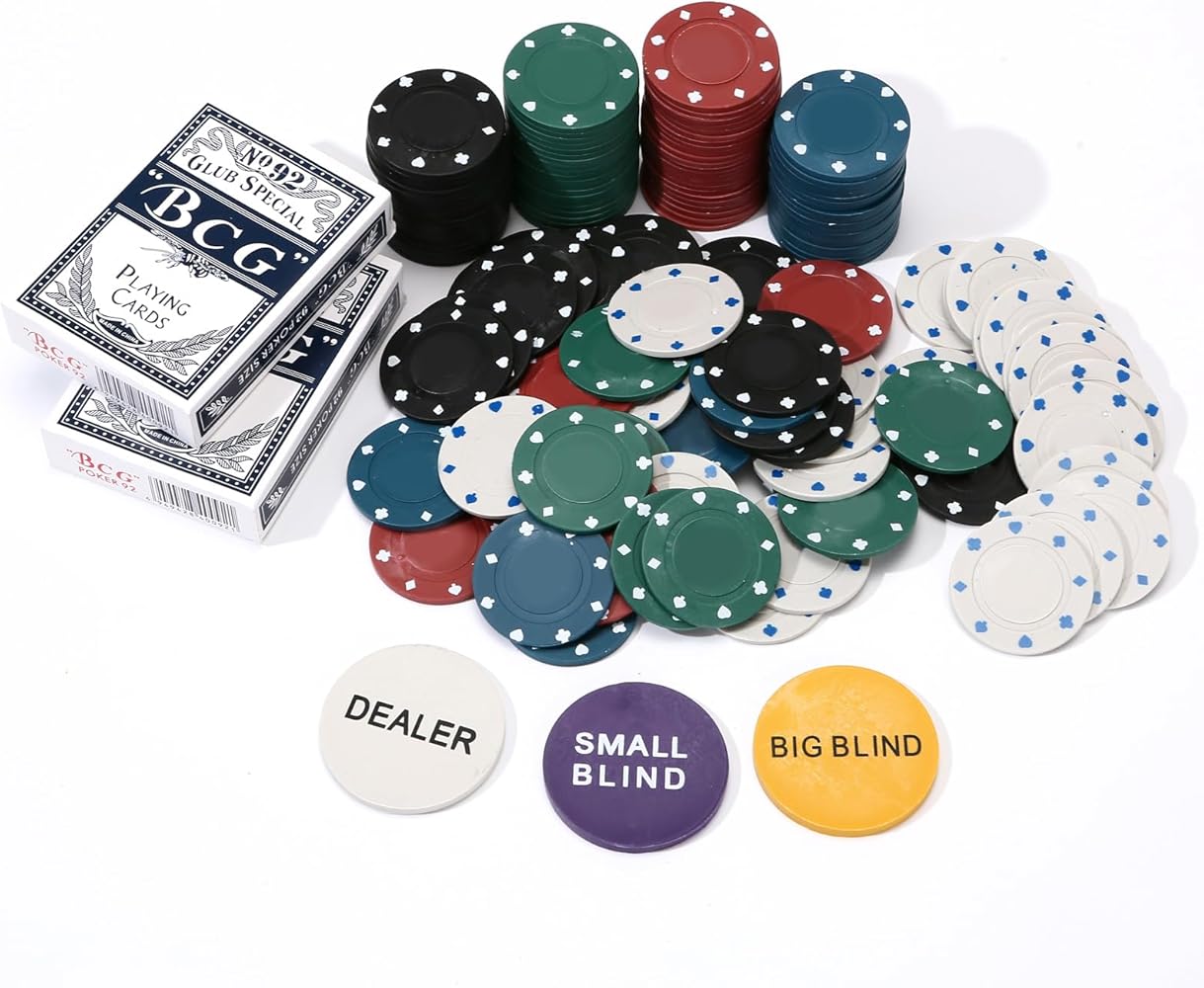
Between hands, try this: just notice three things. The feel of the chips in your stack. The sound of a dealer shuffling. The color of the felt. That’s it. This 10-second reset pulls you from the narrative in your head and into the sensory present. It creates a tiny, vital pocket of space before your next decision.
The Post-Session Debrief (Without the Drama)
Instead of angrily replaying hands, try a mindful review. Sit quietly for five minutes and let the session’s events float through your mind. Acknowledge them—”There’s the frustration from the suckout”—and let them pass. This isn’t about analysis; it’s about emotional decluttering. It helps separate the bad beat from the lasting bad mood.
The Immediate Reset Tool: Strategic Breathwork
Breath is your remote control for your nervous system. For poker pros managing stress or tilt in real-time, it’s a superpower. And no, it’s not just “take a deep breath.” It’s specific, tactical, and incredibly effective.
| Technique | Best For | How-To (Short) |
|---|---|---|
| Box Breathing | Pre-hand focus, post-hand reset | Inhale 4 sec, hold 4, exhale 4, hold 4. Repeat. |
| Extended Exhale | Calming tilt or adrenaline surge | Inhale for 4 seconds, exhale slowly for 6-8 seconds. |
| “Sighing” Breath | Instant tension release | Take a full inhale, exhale with an audible sigh of relief. Do it twice. |
The beauty here? You can do any of these without leaving your seat. They signal safety to your body, dialing down the fight-or-flight response that clouds judgment. It’s like hitting a mental refresh button.
Beyond the Table: Non-Competitive Recovery Activities
Your brain needs a complete vacation from zero-sum thinking. The goal here is engagement without an outcome. Flow for flow’s sake.
- Nature Immersion (No Phone): A walk in a park, honestly without headphones. Notice details—the pattern of leaves, the smell of dirt. It engages a different, restorative part of your brain.
- Freeform Movement: Not gym reps for a goal. Think stretching, casual swimming, or a slow bike ride. The focus is on bodily sensation, not reps or times.
- Hands-On Hobbies: Cooking, gardening, simple woodworking, even jigsaw puzzles. These activities provide tactile feedback and a clear, low-stakes completion. They’re the antithesis of probabilistic variance.
Weaving It All Into the Grind
Okay, so how does this look in a real pro’s schedule? It’s not about adding hours of meditation. It’s micro-habits.
- Pre-Session (2 mins): Box breathing at your desk. Set an intention like “observe” or “process,” not “win.”
- During Session: Use the “three things” notice between orbits. Employ the extended exhale after a tough hand.
- Post-Session (5-10 mins): Mindful debrief. Then, consciously shift gears with 20 minutes of a non-competitive activity before diving into hand history analysis.
- Off Days: Prioritize a longer, screen-free recovery activity. This is your deep mental maintenance.
The biggest hurdle? Letting go of the need for these practices to “do” something. Their value is in the being. They rebuild your mental stack so you can return to the tables with clarity, not just caffeine and willpower.
In a game obsessed with finding edges, the most profound one might just be the ability to walk away—mentally, even for a moment—and remember who you are beyond the cards you’re dealt. That’s a foundation no downswing can shake.