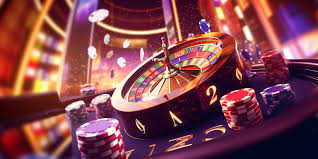
You walk into a casino and, well, you feel it before you even place a bet. It’s not just the chance of winning—it’s the atmosphere. The symphony of chiming slots, the warm glow of the lights, the maze-like layout that seems to swallow time. This isn’t accidental. It’s a meticulously crafted science, a form of architectural and sensory “gamification” designed for one purpose: to keep you playing.
Let’s dive in. We’re peeling back the velvet curtain on the psychology of casino design. It’s less about luck and more about a controlled environment where every element is a subtle nudge.
The Soundtrack of Spending: Auditory Manipulation
Close your eyes in a casino. What do you hear? It’s a carefully curated soundscape. The goal? To create a positive feedback loop that feels exciting, not overwhelming.
Winning Sounds… Even When You Lose
Modern slot machines are masters of sonic deception. The celebratory jingles, fanfares, and coin-drop sounds are disproportionately loud and exciting. Here’s the kicker: they often play for “losses disguised as wins.” That’s when you get less money back than you wagered, but the machine celebrates anyway. Your brain gets a hit of dopamine from the sound, reinforcing the behavior despite the financial loss. It’s a powerful, almost cruel, bit of psychological conditioning.
The Absence of Negative Noise
Notice what you don’t hear. The clatter of losing bets, the groan of disappointment, the sound of actual coins being counted out. These negative auditory cues are minimized or eliminated. Digital credits replace physical cash, softening the psychological blow of spending. The overall ambient sound is a constant, moderate hum—it’s stimulating enough to be energizing, but steady enough to mask the passage of time. You know, so you lose track of it.
Lighting: Crafting a Timeless, Focused Glow
Casinos famously have no clocks and no windows. Lighting is how they enforce this timeless bubble. It’s never harsh fluorescent; it’s always a warm, indirect, and slightly dimmed glow. This creates a sense of perpetual evening—a time we associate with leisure and relaxation.
But the real magic is in the spotlighting. Each gaming table and slot machine is brilliantly, dramatically lit, like a stage. This does two things. First, it focuses your attention intensely on the game in front of you, creating a kind of tunnel vision. Second, it leaves the aisles and walkways in relative shadow, making the outside world feel irrelevant and easy to ignore. You’re in the light, and nothing else exists.
Architectural “Gamification”: The Maze That Keeps You Playing
This is perhaps the most subtle layer. Casino floor plans are deliberately disorienting. They are designed as non-linear, maze-like spaces with few straight lines of sight to exits. The idea is to promote exploration and accidental discovery.
You might set out for the door, but you’ll likely pass a captivating new slot bank or a lively roulette table on the way. Each turn presents a new “level” in the environment’s game, a new chance to engage. Essential services—restrooms, cashiers—are often tucked deep into the floor, requiring you to navigate past acres of gaming options to reach them. It’s a classic gamification technique: to achieve a basic goal (using the restroom), you must journey through the “play” zone, encountering constant temptations.
The Combined Effect: A Flow State Machine
Individually, these elements are clever. Combined, they’re a powerhouse aimed at inducing a psychological “flow state.” That’s the zone where you’re completely absorbed in an activity, self-consciousness fades, and time distorts.
The sensory input—lights, sounds, the tactile feel of a chip—provides constant, rewarding feedback. The architecture removes external distractions and clocks. The result? You become immersed in the micro-world of the game. Hours feel like minutes. And your decision-making shifts from the logical, long-term part of your brain to the more impulsive, reward-seeking centers. That’s the ultimate win for the house.
Beyond the Casino: Lessons in Environmental Design
Honestly, understanding this psychology isn’t just for gamblers. It’s a masterclass in environmental design that we see everywhere now. Think about:
- Mobile Apps & Video Games: The celebratory sounds and visual confetti for minor achievements are straight from the slot machine playbook. They gamify engagement.
- Retail Stores: IKEA’s winding, exit-less layout is a famous example. It’s designed to maximize exposure to products, much like a casino floor.
- Social Media: The variable rewards (what will the next scroll bring?), the autoplay, the notification sounds—all create a similar, addictive feedback loop.
The core principle is the same: use environment to guide behavior, often without the user’s conscious awareness.
So, the next time you step into any highly designed space—whether it’s a themed restaurant, a mega-store, or yes, a casino—take a moment to sense the design. Listen to the sounds. Notice the light. Feel the layout. That awareness is your best defense. It’s a reminder that our environments are never neutral. They’re always, in some way, playing a game with us. The real question is whether we decide to opt-in consciously, or simply get lost in the maze.