You’ve seen the headlines. The life-changing photo. The oversized check, the stunned smile, the dreams of private islands and fast cars. But what happens after the confetti settles? For a growing number of winners—and the organizations that create the windfalls—the story is shifting. It’s moving from pure consumption to conscious contribution.
Honestly, we’re witnessing a fascinating evolution. Sustainable and philanthropic models for jackpot prize distribution aren’t just a nice idea anymore; they’re becoming a blueprint. A way to turn sudden, staggering wealth into a lasting legacy. Let’s dive into how winner foundations and forward-thinking prize structures are changing the game.
Why the Old Model Sometimes Falls Short
Let’s be real. A lump-sum payout is the classic dream. But it comes with well-documented risks—financial mismanagement, predatory schemes, and the “curse” narrative we’ve all heard. The money can vanish, leaving little more than a cautionary tale.
That said, the problem isn’t the winner. It’s the structure. Throwing someone into the deep end of the wealth ocean without a life raft. The traditional model focuses solely on the transfer of money, not on the stewardship of wealth. And that’s where new models are stepping in.
Innovative Prize Distribution: Building in Sustainability
Some lotteries and prize-granting bodies are proactively redesigning the winner’s journey. Think of it as architectural philanthropy—building the giving right into the foundation. Here’s the deal with a few approaches:
The Staggered Payout with a Purpose
Instead of one lump sum, winners receive payments over 20 or 30 years. It’s a financial safeguard, sure. But the twist? A portion of each annual payment is earmarked for a charitable cause of the winner’s choice, facilitated directly by the lottery. It creates a built-in, rhythmic habit of giving. The winner gets used to being a philanthropist, year after year.
The Matched Contribution Model
This one’s powerful. The prize-giver offers to match—dollar for dollar—the charitable donations the winner makes within a certain period. Say, the first five years. It instantly doubles the social impact of the winner’s generosity and provides a huge incentive to think strategically about giving from day one. It turns the win into a partnership for good.
The Rise of the Winner Foundation: Legacy in a Name
This is where the magic gets personal. More winners are using their capital to establish private family foundations or donor-advised funds. It’s not just writing a check to a charity; it’s launching a mission-driven organization.
Well, what does that actually look like? A foundation allows winners to:
- Focus their giving: Instead of reacting to every request, they can target a cause close to their heart—like literacy, clean water, or medical research.
- Involve family: It becomes a tool for teaching financial and philanthropic literacy to the next generation. A real, messy, human project.
- Gain tax advantages: Let’s be practical. Structured giving offers significant tax benefits, helping the wealth endure to give more.
- Create a perpetual legacy: The foundation can be set up to operate in perpetuity, making the winner’s name synonymous with positive change long after they’re gone.
Real-World Impact: It’s Not Just Theory
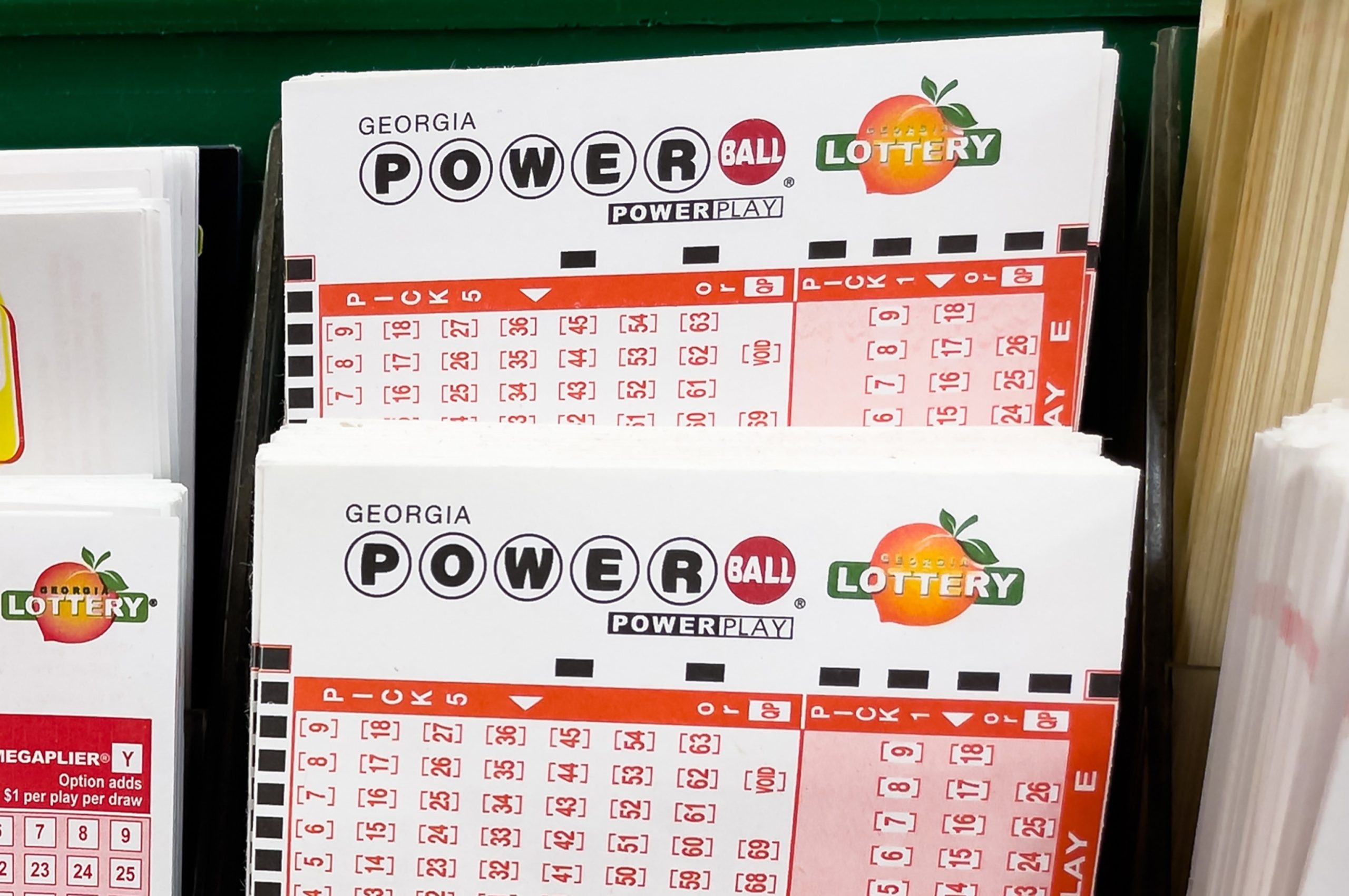
You know, this isn’t just hypothetical. Consider the story of the “Give It Away” couple from New Hampshire. They won a $560 million Powerball jackpot and have quietly donated tens of millions to causes like animal welfare and cancer treatment. Or the UK’s Postcode Lottery, which literally embeds philanthropy into its product—a third of each ticket price goes to charities, so players know they’re giving as they play.
These models address a core human pain point: the desire for meaning. Sudden wealth can be disorienting. Philanthropic structures provide a compass. A sense of “what now?” that points toward something bigger than oneself.
Challenges and Considerations: The Road Isn’t Always Smooth
Of course, this path has its bumps. Setting up a foundation requires legal and financial expertise—a new layer of complexity for a winner. There’s also the risk of “philanthropic burnout” or spreading resources too thin. And, let’s face it, not every winner wants this responsibility. The key is offering these models as options, not obligations. As a supported pathway for those who seek it.
Here’s a quick look at the pros and cons of different approaches:
| Model | Key Benefit | Potential Challenge |
| Staggered Charitable Payout | Builds giving habits; ensures long-term impact | Less initial control for winner over full capital |
| Matched Contributions | Amplifies impact instantly; encourages early giving | Requires winner to be proactive quickly post-win |
| Private Foundation | Creates a lasting legacy; deep family involvement | Administratively complex; requires ongoing management |
| Donor-Advised Fund | Simplicity & immediate tax benefit; lower overhead | Less hands-on control than a private foundation |
The Future: A More Conscious Windfall
So where does this leave us? The conversation around giant prizes is maturing. It’s moving from just “how much” to “how” and “for what.” The most progressive lottery operators and game designers are starting to see themselves not just as cash distributors, but as stewards of social capital.
Imagine a future where winner support includes not just financial planners, but philanthropy advisors. Where the winner’s packet has a section on founding a charitable fund. That’s the trend—integrating the possibility of legacy into the very fabric of the win.
In the end, these models recognize a simple, profound truth. A jackpot is a torrent of potential energy. It can erode the landscape, or it can be channeled—to nourish, to build, to power something that lasts for generations. The choice, increasingly, is being built right into the design.