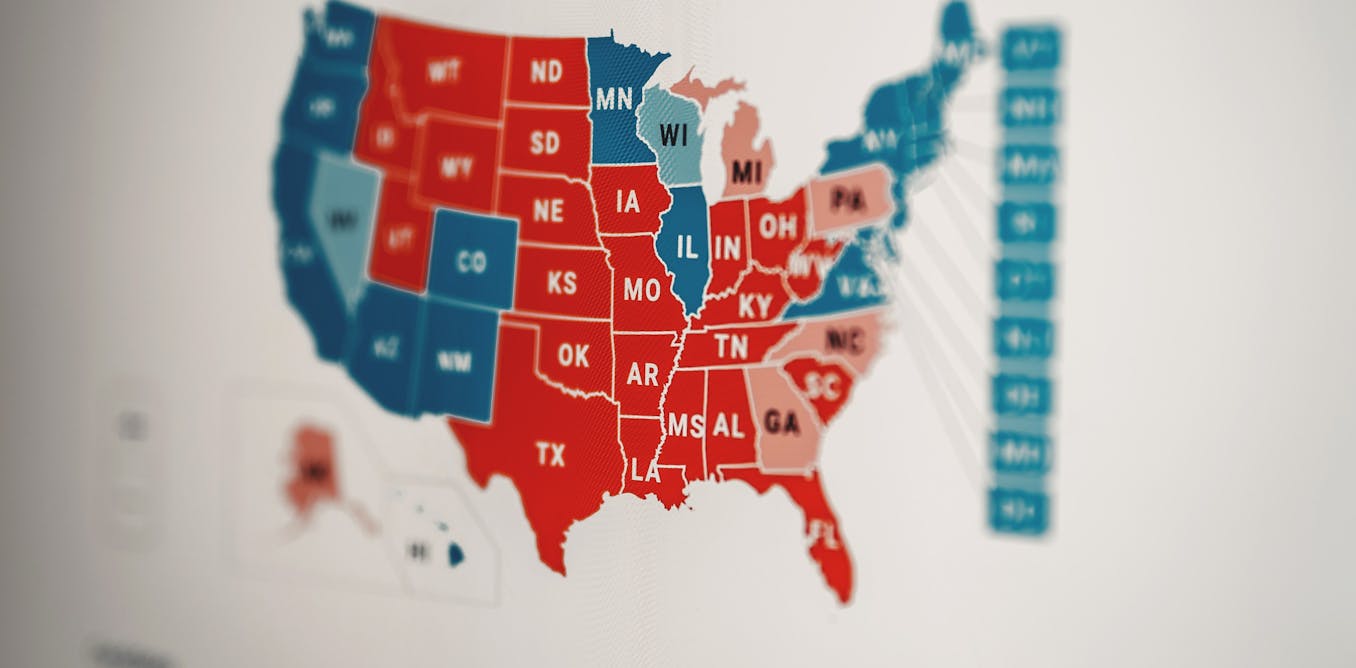
Let’s be honest—the idea of putting money on a presidential candidate feels a bit… strange, doesn’t it? It mixes the cold calculus of gambling with the high-stakes drama of democracy. Yet, political betting is a real, multi-million dollar market. But is it legal? And more importantly, is it ethical? The answer, you know, depends almost entirely on where you’re standing in the world.
The Legal Landscape: A World of Difference
Here’s the deal: there is no single, global rule. Jurisdictions treat betting on political outcomes as everything from a harmless pastime to a serious threat to the electoral process. It’s a real patchwork.
Where It’s Perfectly Legal (and Even Popular)
In the United Kingdom, Ireland, and much of Europe, political betting is not just allowed; it’s woven into the fabric of major elections. Bookmakers like Betfair and Ladbrokes offer odds on everything from the next Prime Minister to individual constituency results. The markets are regulated, transparent, and frankly, seen as a useful indicator of public sentiment—a kind of collective wisdom, or “the wisdom of the crowd.”
Australia is another big player. Sports betting sites routinely offer political markets. It’s treated, well, almost like another sport. The key in these places is that the activity is licensed and overseen by gambling commissions.
Where It’s a Legal Gray Area or Forbidden
Now, let’s cross the Atlantic. In the United States, the situation is complex. Federal law—specifically the Professional and Amateur Sports Protection Act (PASPA) of 1992—was historically interpreted to prohibit betting on non-athletic events. Even after PASPA’s repeal in 2018, which opened the door for sports betting, state regulators have largely kept political betting off the table. Why? The fear of manipulation is just too high.
In fact, most U.S. states explicitly ban it. You might find predictit markets or other “prediction markets” that operate under specific academic or regulatory exemptions, but they’re the exception, not the norm. They often feel like a legal tightrope walk.
And then there are places like India and China, where gambling laws are so restrictive that political betting is unequivocally illegal. It’s not even a debate.
| Jurisdiction | General Stance | Key Notes |
| United Kingdom | Legal & Regulated | Major market; seen as a sentiment indicator. |
| United States | Mostly Illegal | State-by-state rules; heavy regulatory skepticism. |
| Australia | Legal & Regulated | Integrated into mainstream betting sites. |
| European Union | Varies by Member State | Generally permitted in many countries (e.g., Ireland, Austria). |
| India | Illegal | Broad prohibitions on most gambling forms. |
The Ethical Minefield: More Than Just Odds
Okay, so legality is one thing. But the ethics? That’s where the water gets truly murky. Critics and supporters are locked in a fundamental debate about what democracy is—and what it should be.
The Case Against: Corruption, Manipulation, and Cynicism
The biggest fear is, of course, electoral manipulation. Imagine a wealthy actor placing a massive bet on a long-shot candidate. They then use their resources to create a scandal or spread disinformation to sway the odds—profiting not from a political win, but from a betting slip. It divorces financial incentive from civic outcome, and that’s a dangerous separation.
There’s also the issue of insider information. In sports, using non-public info is a clear violation. In politics? What constitutes an “inside tip”? A private poll? A leaked strategy memo? The potential for abuse is enormous and incredibly hard to police.
And then there’s a softer, but real, concern: it can commodify democracy. Reducing a complex civic choice to a simple wager might foster cynicism. It turns voters into punters, and that shift in mindset matters.
The Case For: Information, Engagement, and Freedom
Proponents, on the other hand, argue that regulated political betting markets are incredibly efficient information aggregators. They often outperform polls because people are putting real money behind their beliefs. It’s a form of collective intelligence.
Some also say it increases public engagement. Let’s face it—if you have £20 on the outcome, you’re probably paying closer attention to the debates, the policies, the whole shebang. It creates a stake, literally, in the process.
Finally, there’s a libertarian argument: in free societies, adults should be able to spend their money on what they choose, provided it doesn’t directly harm others. If you can bet on a football game, why not a presidential race?
The Future: A Tighter Regulatory Lens
Looking ahead, the trend seems to be toward more scrutiny, not less. The rise of online betting and crypto-based prediction markets makes enforcement a nightmare for regulators. The pain point is clear: how do you harness the informational benefits of these markets while slamming the door shut on manipulation?
We’re likely to see:
- Tighter “insider trading” rules for political bets, potentially mirroring financial markets.
- Strict betting limits to prevent any single actor from moving the market.
- Continued resistance in jurisdictions like the U.S., where the cultural aversion remains strong.
Honestly, it’s a fascinating tug-of-war. On one side, you have the pure, data-driven efficiency of the market. On the other, the messy, sacred ideal of democratic integrity.
A Final, Personal Stake
So where does this leave us? The ethics and legality of betting on political elections forces us to ask a deeper question: what do we want our democracies to be? Are they simply another arena for human competition and speculation—a game, with winners and losers? Or are they something more fragile, something that needs to be walled off from the profit motive to retain its legitimacy?
There’s no easy answer. The global gamble continues. And perhaps the most valuable bet we can make is to stay informed, question the incentives at play, and remember that behind every odds shift is a decision that shapes real lives. That’s a reality no bet can ever truly cover.