Let’s be honest. The idea of a life-changing windfall from a single ticket or spin is a story that’s been told for centuries. It’s a global daydream. But have you ever stopped to wonder where that dream comes from? The history of jackpot games isn’t just about numbers and odds—it’s a winding tale of chance, community, and the very human desire to leap into a new reality.
Ancient Roots: The Lottery’s Humble Beginnings
Well, it all starts a lot earlier than you might think. The first recorded signs of a lottery-style game pop up in China during the Han Dynasty, around 200 BC. They were called “Keno” slips, and the funds raised—get this—helped finance major state projects, like the Great Wall. That’s a pretty big jackpot for a nation, right?
Fast forward to Europe in the 15th century. Here’s the deal: towns in places like the Low Countries used public lotteries to raise money for town fortifications and to help the poor. It was a form of voluntary taxation, a social contract where the prize was personal gain but the underlying cultural significance was communal support. The game served a purpose bigger than the individual player.
From Royal Decrees to National Pastimes
By the 16th and 17th centuries, lotteries were a tool for kings and queens. England’s Queen Elizabeth I chartered a lottery in 1566 to raise funds for… well, harbors and other public works. Tickets were expensive, though. This wasn’t a game for the masses yet. That shift, that democratization of the jackpot dream, came later.
The 20th Century: The Jackpot Goes Global
Everything changed with technology and the modern state. The 20th century saw governments formalizing national lotteries. Spain launched “El Gordo” (“The Fat One”) in 1812, and its Christmas draw became a cultural institution. But the real seismic shift? The invention of the progressive slot machine jackpot.
In 1986, a company called International Game Technology (IGT) introduced Megabucks. It linked slot machines across Nevada. The pot grew with every play until—bam—someone hit it. This created a new kind of frenzy. The jackpot was no longer a fixed amount; it was a living, breathing, climbing number that captured headlines. It turned a private game into a public spectacle.
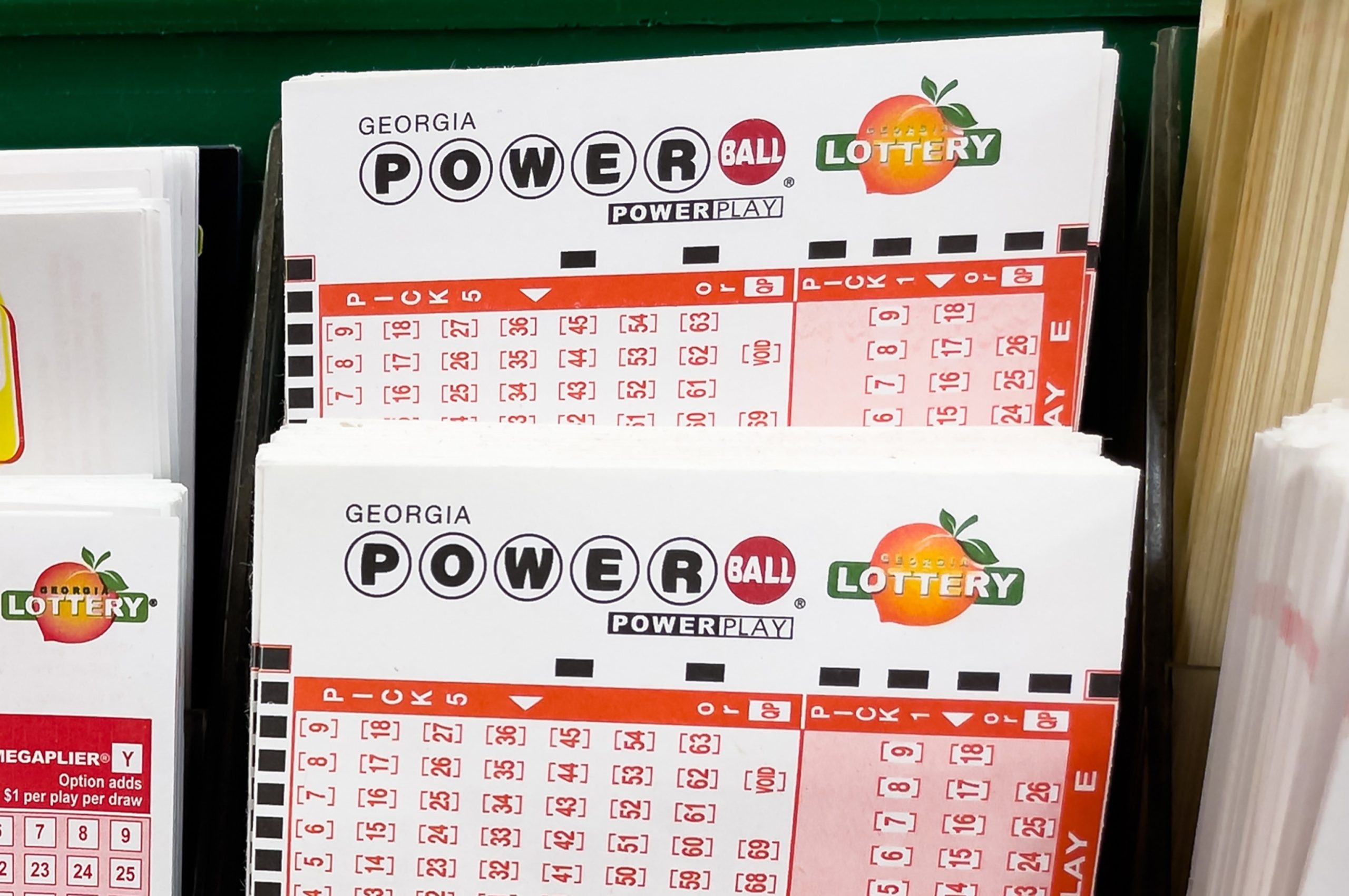
And then, of course, came the multi-state and national lottery giants. Games like the Powerball (US) and EuroMillions created staggering, continent-sized prizes. The scale was unprecedented. Suddenly, the cultural impact of lottery wins was everywhere: news stories about overnight millionaires, debates on lump sums vs. annuities, and that universal question: “What would YOU do?”
More Than Money: The Cultural Role of the Jackpot
So why does this stick around? Why is the dream so persistent across every culture? It’s because these games act as a kind of social mirror.
A Shared Ritual of Hope
Buying a ticket is a tiny act of optimism. In offices, families, or friend groups, pooling money for a syndicate is a ritual. It’s not really about the money—it’s about the shared “what if?” for a few days. It builds a temporary community of hope.
The Modern Folktale
The jackpot winner story is our modern-day Cinderella or Aladdin tale. It’s the rags-to-riches narrative played out in real time. We dissect these stories: the truck driver who wins millions, the retiree who gives to charity. They reinforce the idea that fate can intervene, that luck exists. Honestly, it’s a powerful counter-narrative to the daily grind.
Funding the Fabric of Society
This is the part we often forget. Just like those ancient Chinese builders, modern jackpot games fund enormous public sectors. In the UK, the National Lottery funds arts, heritage, and sports. In many U.S. states, lottery revenue supports education. That’s a profound cultural significance of global lottery games: the collective’s small losses fund the collective’s greater gains. It’s a fascinating, circular economy of chance.
| Game | Origin | Cultural Hook |
| El Gordo (Spain) | 1812 | A Christmas Eve family ritual, the world’s largest draw by prize pool. |
| Powerball (USA) | 1992 | The “American Dream” jackpot, known for record-breaking headlines. |
| EuroMillions | 2004 | Transnational European dream, uniting multiple countries under one prize. |
| Baba Ijebu (Nigeria) | 1990s | Ubiquitous street-corner game, deeply woven into daily urban life. |
The Digital Age and Future Trends
The internet, as you know, changed everything again. Online lottery platforms and digital scratch cards made games accessible 24/7. But the real shift is in community. Look at the rise of betting pools for massive events like the World Cup or even the Oscar pools. The core appeal—the shared, high-stakes daydream—has migrated online and found new forms.
Current trends also show a focus on instant gratification (instant win games) and, interestingly, on transparency. Players now want to see the good their money does—the specific park renovated, the scholarship funded. The future of progressive jackpot slots and lotteries hinges on this blend: instant thrill plus a sense of tangible contribution.
A Final Thought on the Universal Jackpot
From clay slips on the Silk Road to glowing numbers on a smartphone screen, the jackpot game has endured. It’s a chameleon, adapting to every era’s technology and social structure. But its heart remains the same. It’s a tiny tax on hope that funds dreams, both public and private.
It’s not really about greed. It’s about the moment of possibility between buying the ticket and the draw. That space, filled with “maybe,” is a universal human experience. A brief, affordable escape from the predetermined path. And that, perhaps, is the biggest win of all.